Reaching 40 has brought about unexpected changes in my body and fitness journey. Despite my enthusiasm to train with the energy of a 20-year-old, I’ve found it increasingly challenging to recover. The soreness lingers longer, and attempting to train on consecutive days feels overwhelming. On top of this, I’ve encountered plateaus in certain lifts, leaving my confidence shaken.
It’s bewildering—how could this happen to me? hurts my ego.
I know I’m not alone in this struggle. Many individuals, both men and women, face similar issues as they age. While I’ve managed to navigate these changes, I recognize that countless others may feel defeated at this stage. It’s essential to remember that we each have unique battles—whether they relate to family, work, finances, or relationships.
We are the product of our hormones.
I would like to explain the physiological changes in the human body after age 40.
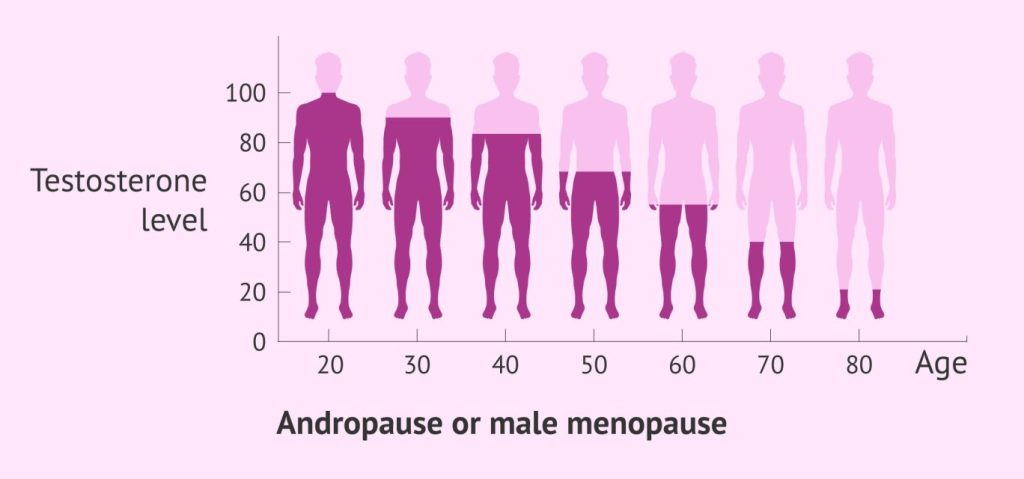
- Decline in Testosterone: For men, testosterone levels start to dip by approximately 1% each year after 30. Lower testosterone can lead to decreased muscle mass, strength, and slower recovery times.
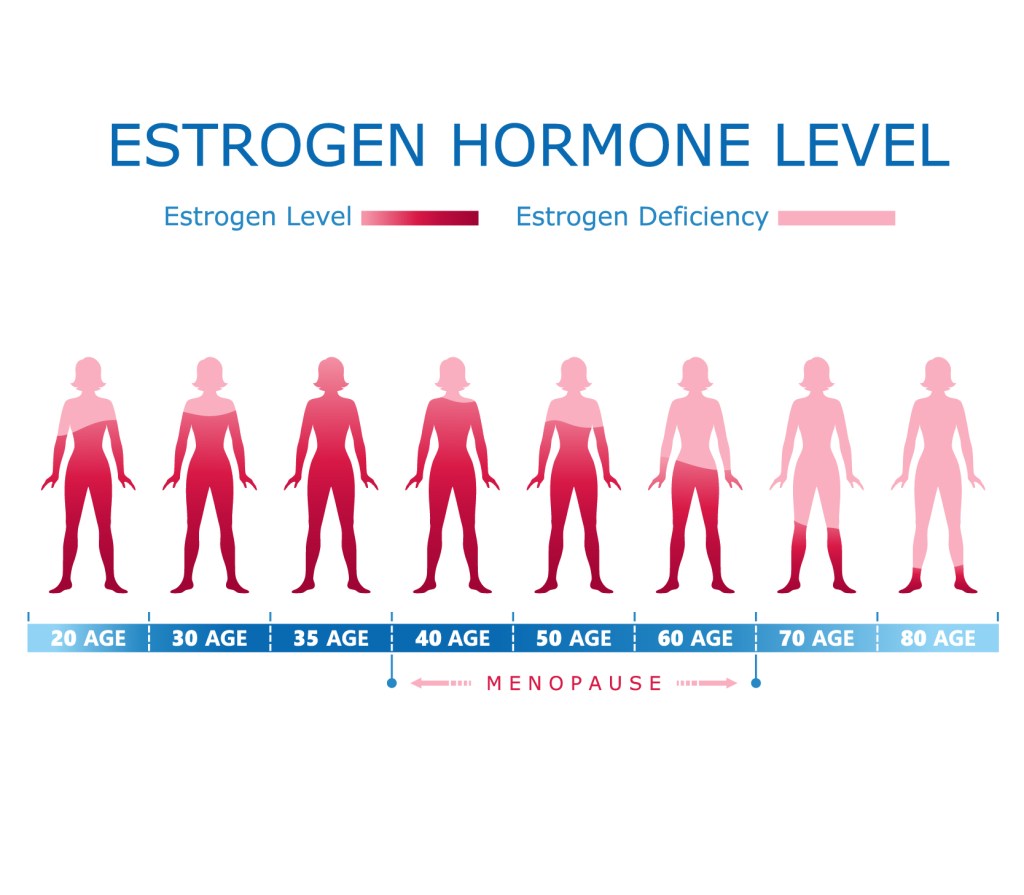
- Changes in Estrogen Levels: For women, the approach of menopause triggers fluctuations and declines in estrogen. This shift can affect energy levels, muscle recovery, and bone density, and increase the risk of injury.
- Increased Cortisol Sensitivity: Aging can heighten the body’s sensitivity to cortisol, the stress hormone. Elevated cortisol can impede recovery, lead to muscle breakdown, and promote fat storage.
- Insulin Resistance: As we age, our bodies may become less sensitive to insulin, impacting how efficiently we utilize glucose for energy. This can affect both energy levels and recovery.
- Reduced Melatonin level: A decreased melatonin level makes it harder to fall asleep, resulting in a disturbed circadian rhythm, eventually raising our cortisol level. Sleep is one of the most important aspects of recovery.
6. Reduced Growth Hormone Production: Growth hormone, which is vital for tissue repair and muscle development, also decreases with age. This reduction can slow recovery rates and hinder the body’s ability to adapt to training.
When it comes to growth hormone (GH), several factors come into play:
- Reduced Pulsatile Secretion: GH is typically secreted in pulses during deep sleep. After 40, both the frequency and intensity of these pulses diminish significantly.
- Impact on Body Composition: A decline in GH can lead to muscle loss (sarcopenia) and increased fat accumulation, particularly around the abdomen.
- Bone Density: GH contributes to bone growth and remodelling; thus, lower levels can heighten the risk of osteoporosis.
- Energy and Metabolism: As GH levels drop, we may experience fatigue and a decrease in stamina, alongside a slower metabolism that can contribute to weight gain.
- Skin and Connective Tissues: GH is essential for collagen production, which keeps skin elastic and thick. A reduction in GH might lead to thinner skin and increased wrinkles.
- Cardiovascular Health: Lower GH levels can negatively affect cardiovascular health by influencing lipid metabolism, thereby raising the risk of heart disease.
Additionally, poor dietary choices and eating habits become harder for the body to process as we age. Many people mistakenly assume that switching from strength training to cardio will yield quicker fitness results, but this can actually lead to loss of lean body mass, which is the opposite of what we want.
It’s a common misconception to believe we can get fit faster than ever before. Understanding these physiological changes is crucial as we navigate our health and fitness after 40. With awareness and the right approach, we can overcome these challenges and continue to thrive.
Now if you consider all the above factors, it makes sense why training and recovery post-40 are not the same as what they would have been in our 20’s or 30’s.
-In closing, the journey through our 40s and beyond may present unique challenges, but it also opens the door to newfound opportunities for growth and self-discovery. By understanding the physiological changes our bodies undergo with age, we can make informed decisions about our fitness and overall well-being. Embracing a balanced approach that includes strength training, proper nutrition, and adequate recovery will empower us to navigate these changes with confidence. Remember, it’s not about trying to recapture our youth, but rather about cultivating a stronger, healthier version of ourselves. Let’s approach this chapter with resilience and an open mind, knowing that we have the tools to thrive at any age.–
 HARISH SHETTY
super Harish, you explained so nicely in simple language that anyone can understand. Great article.
LikeLike